
Culture & Heritage

Multicultural Festival in Yarmouth 2023: Photography by Sheridan Harel
The SNBRA preserves and promotes the cultural integrity and heritage in the region. The rich culture of the region includes Mi’kmaq land stewardship, the founding settlements of the first French and early British colonies as well as the Black Loyalists along the southwest shore region in Shelburne County.
The Southwest Nova Biosphere Region includes Mi’kmaq, Acadian, English, Scottish and many other cultures. The result of this diversity is a unique mix of traditions, food, festivals, and communities.
-
The lands within the Southwest Nova Biosphere Region have been home to the Mi’kmaq people for thousands of years. This region, known as the Kespukwitk region of lands where the Mi’kmaq traditionally lived, now includes the self governing Mi’kmaq communities of Bear River First Nation and Acadia First Nation. Artifacts, history, traditional arts and crafts can be seen at the Bear River First Nations Heritage and Cultural Centre. Kejimkujik National Park includes traditional Mi’kmaq waterways where stone carvings or petroglyphs have been found.
Learn More:
-
French explorers began settling in the Southwest Nova Biosphere Region as early as 1605 with the construction of the Habitation at Port Royal. It was to be the first European settlement north of Florida in the New World. French settlers followed throughout the region that became known as Acadia. Overlapping claims to the land followed with England granting the territory to Sir William Alexander in 1621. In 1629 about seventy Scots arrived and settled in the area near present day town of Annapolis Royal.
“Acadie” was returned to France in 1632, but the name “Nova Scotia”, the flag and the coat of arms remain. In 1713 when the Treaty of Utrecht was signed, mainland Nova Scotia was given to England for the last time. Port Royal was renamed Annapolis Royal and remained the capital of Nova Scotia until Halifax was founded in 1749. The Acadians living in the region remained until 1755.
With war again brewing between Britain and France, they were considered a risk by the British Authorities. Beginning in 1755, Acadians were displaced from their lands and sent to the Thirteen Colonies to the south, Britain or France. Their homes were burned and livestock confiscated. After 1764, they were allowed to return. Some found the rich farmlands lands they had left had been taken over by English settlers and took up residence along the shores of St Mary’s Bay on the Bay of Fundy.
These lands became the Acadian ‘Concession’ in the current Municipality of Clare. Other Acadians from the Pubnico area were permitted to return to the lands they had left. Pubnico remains the longest continuously settled Acadian area. Learn more at national historic parks at Fort Anne and the Habitation, Le Village historique Acadien de la Novelle Écosse, the Musée Acadien & Archives in West Pubnico and the Rendez-vous de la baie visitors centre in Church Point.
Learn More:
Musée des Acadiens des Pubnicos
Rendez-vous de la Baie Visitor Centre
-
The Acadian Métis are descended from early French Acadian settlers and indigenous Mi’kmaq people of Southwest Nova Scotia who freely intermarried. Two Métis organizations exist within the Southwest Nova Biosphere Region, The Association des Acadiens-Metis Souriquois and the Eastern Woodland Métis Nation.
Learn more:
-
The deportation of the Acadians from Nova Scotia created both a need and an opportunity for British settlers from New England to take up the vacated Acadian lands. Within the Southwest Nova Biosphere Region, the townships of Liverpool, Barrington, Yarmouth, Annapolis and Granville were re-settled by New Englanders, mainly from Massachusetts, Connecticut and Rhode Island, beginning in 1759.
A result of this settlement is the presence of an abundance of Mayflower descendants in the area between Yarmouth and Barrington. Liverpool became known as a port of privateers. Barrington was noted for its fishing industry and Yarmouth was to become a major ship building and shipping port. Granville and Annapolis would develop significant agricultural holdings Settlement patterns also meant that many shared bloodlines exist between natives of these communities and New England to this day.
Learn more:
-
Following the American Revolution in 1783, about 1500 Black Loyalists settled in the community of Birchtown outside of Shelburne. They had been promised land and freedom for service to Britain during the Revolutionary war. The Book of Negroes, a handwritten manuscript, documented the names of those who arrived. This comprised the largest free black community in British North America at the time.
Living conditions were harsh with a scarcity of food and shelter consisting of covered pits dug in the rocky soil. Equally harsh was the treatment received from white settlers in nearby Shelburne. Promised grants for land were slow to materialize Most of these loyalists left for Sierra Leone when the opportunity arose in 1792. Their stories are told at the Black Loyalist Heritage Centre in Birchtown.
Other Black Loyalists settled near Digby and Weymouth.
Learn More:
-
The end of the American Revolution in 1783 resulted in a mass migration of loyal British subjects living in the United States to British colonies in the north. Within the Southwest Nova Biosphere Region, significant loyalist towns developed in Digby and Shelburne.
Shelburne, with the third best natural harbour in the world, saw its population explode to nearly 10,000 in 1784 – larger than Halifax or Montreal at the time. With poor soil for agriculture and little employment, the population dwindled to about 300 by the 1820s. Other settlers came to the area from Scotland, Ireland and Wales.
The town of Digby was named for Rear Admiral Sir Robert Digby, captain of the Brigantine HMS Atalanta and leader of the first settlers from New York and New England. The town was one of many fortified with blockhouses and guns during the war of 1812.
Learn More:
“For thousands of years, the Mi’kmaq people have inhabited Southwest Nova Scotia. French explorers arrived in 1604 and claimed the land that would become known as Acadia. French settlers arrived through the 1600s. In 1713, the land was transferred to the English.
The Acadian populations were deported between 1755 and 1758. Waves of Pre-Loyalist settlers from the Thirteen Colonies arrived through the 1760s. Following the American Revolution, United Empire Loyalists followed. The Pre-Loyalists and Loyalists included a large number of African Americans, some enslaved and some freed.
Many of the Black Loyalists had fought on the side of the English during the American Revolution. Their largest settlement was in Birchtown, Shelburne County. Living conditions for many Black Loyalists were very difficult and many left for Sierra Leone when the opportunity arose. Beginning in the 1760’s, as well, many of the Acadian families returned from their deportation. Some settled in the Pubnico area and some in the area of Clare where they were granted land in place of the farmland they had to leave in the Annapolis Valley.
Other waves of settlement followed. At the end of the 19th century, for instance, many Jewish and Lebanese immigrants arrived. These immigrants arrived with little and supported each other. They eventually prospered and gave back to the communities that had become their home. Other groups have arrived since. Each new arrival brought their culture and traditions, and has adapted to life in the region, making Southwest Nova Scotia a place rich in harmonious cultural diversity.”
— David Sollows, SNBRA Co-Chair

Old Birchtown School - Black Loyalist Heritage Centre in Birchtown (Photography by Sheridan Harel)

Black Loyalist Heritage Centre in Birchtown (Photography by Sheridan Harel)
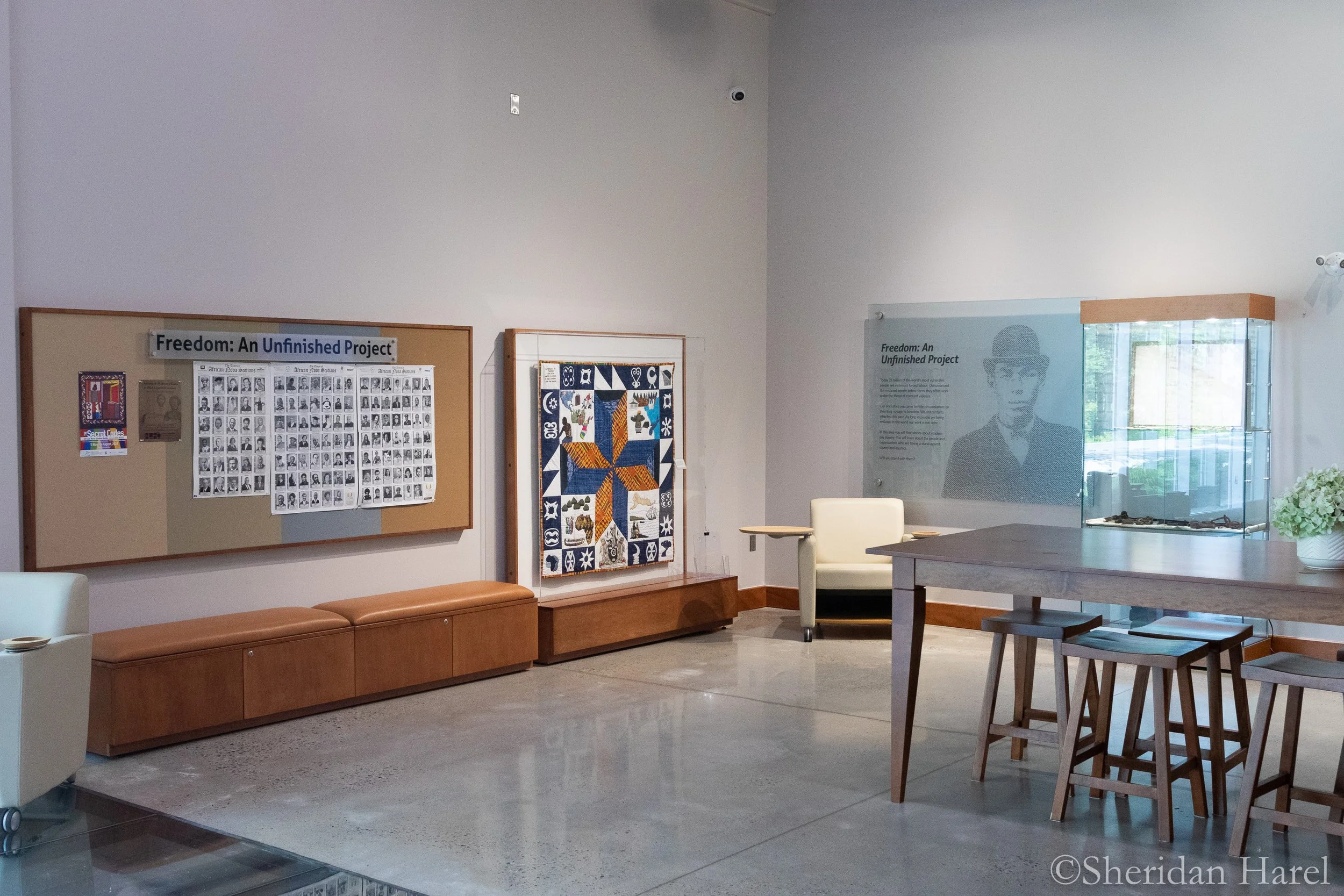
Black Loyalist Heritage Centre in Birchtown (Photography by Sheridan Harel)
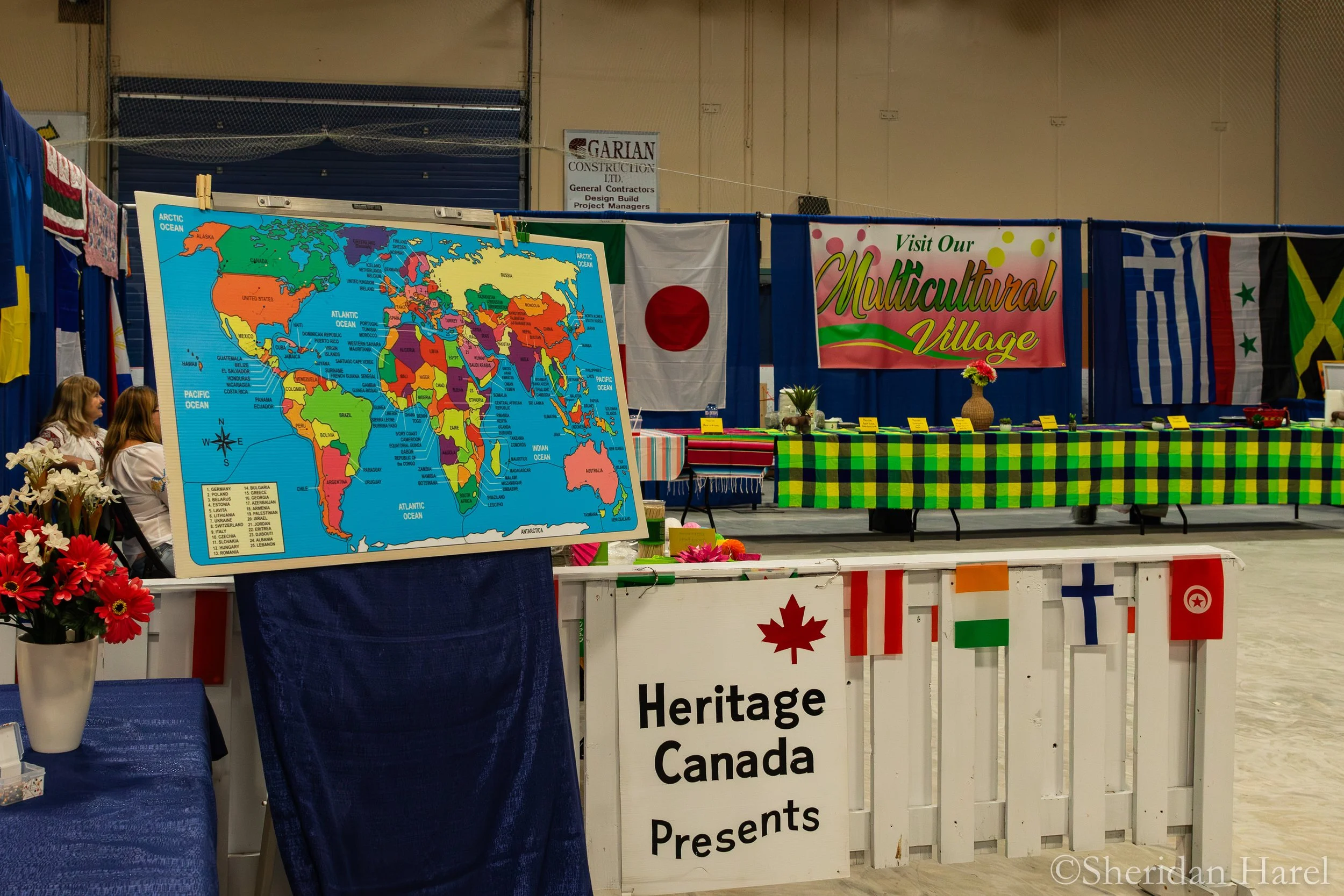
Multicultural Festival 2023 - Mariners Centre (Photography by Sheridan Harel)

Multicultural Festival 2023 - Mariachi Singer Manuel Hernandez, Mariners Centre (Photography by Sheridan Harel)

Multicultural Festival 2023 - Mackenziee School of Dance, Mariners Centre (Photography by Sheridan Harel)